








Log in to shop online, track orders, and earn cashback through Yucca Rewards.
LoginLoginDon't have an account? Register here
Login or Register to earn 5% cashback when you shop
Learn moreFor approved business customers ordering in bulk through our separate portal.
Go to PortalGo to PortalWant to find out more information? Click here
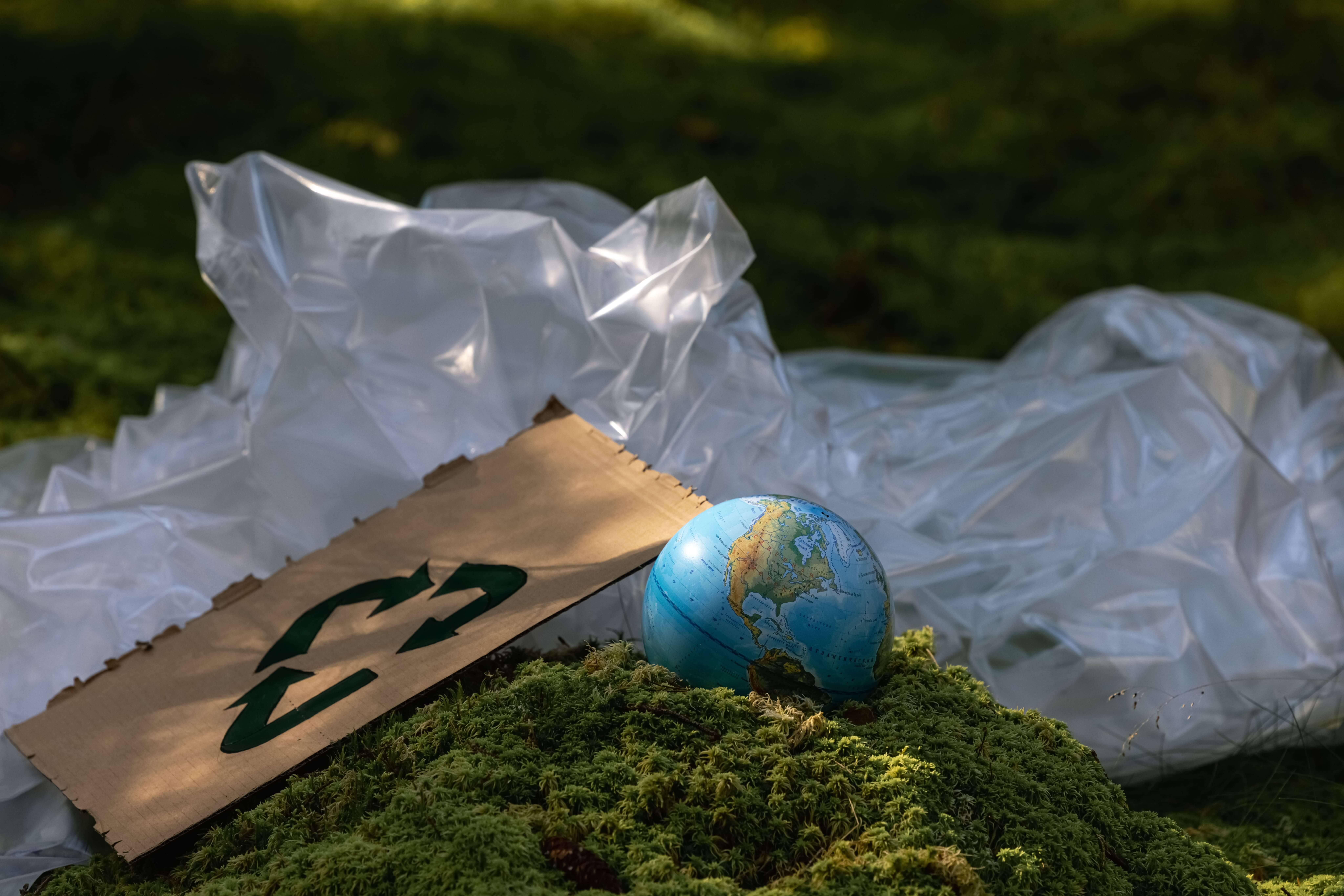
Greenwashing happens when packaging claims sound or look sustainable but lack clear, verifiable evidence or ignore local disposal realities. Look for vague terms like “eco-friendly,” missing material disclosures, unsupported certifications, and claims that don’t align with South Africa’s recycling, composting, or waste infrastructure. Before you accept any claim, confirm with a local recycler, composter or EPR if the material is collected and processed at scale around the country.
Ever picked up a packaging item that promises it’s “green”, “made from plants” or “eco-friendly” and wondered how sustainable it actually is? You’re not alone. Across South Africa, consumers are seeing bold sustainability claims but most of the time, the fine print is missing.
Terms like biodegradable, compostable, eco-friendly, green, recyclable, renewable, and plant-based are everywhere. What matters is how the packaging performs in real disposal conditions in South Africa.
This guide will help you:
Greenwashing is when a product, brand, or advertiser creates the impression of sustainability without verifiable evidence or without relevant local context.
It often shows up as:
Even if a claim isn’t false, leaving out context can mislead consumers unintentionally. The above are what regulatory bodies across the globe are warning you against.
Even if technically true, misleading sustainability claims carry reputational and regulatory risk:
Packaging decisions involve material science, waste systems, consumer behaviour, and economics. Marketing often compresses all this complexity into single words or symbols, which can be misleading.
For example, packaging may be:
Materials can perform differently in real disposal systems than in controlled conditions. Without proper context, it’s hard for buyers and consumers to assess environmental performance.
Be cautious of emotionally appealing phrases similar to:
These describe sentiment, not measurable outcomes.
Ask: What is this packaging actually made of? Are the instructions clear and usable?
Credible suppliers should be able to clearly share:
If you don’t know the makeup, you can’t assess performance.
Even technically accurate claims can mislead if the required systems don’t exist locally at scale. Ask:
Disposal infrastructure varies by region. Packaging marketed as recyclable, compostable or biodegradable may deliver limited benefit if:
Icons, badges, or colours like these can mislead you:
Visual cues don’t equal proof. Always verify:
Responsible claims should be able to explain:
If explanations rely on marketing terms alone, proceed with caution.
Even recyclable or compostable materials could be useless if there’s no or limited local systems to process them. Environmental performance depends on:
A recyclable material without collection behaves like waste. A compostable material without the required conditions to compost also behaves like waste. A biodegradable material without correct sorting and required conditions creates contamination and waste.
This is why verifying the local processing infrastructure, and whether it is at scale in South Africa is the most critical step.
Practical verification steps:
This ensures your sustainability claims are real, not just theoretical.
When evaluating suppliers:
An evidence-driven approach protects your brand and ensures sustainability actually delivers value.
Not necessarily. Many claims are technically true but misleading due to omitted context or unrealistic disposal assumptions.
Contact local recycling, composting, and waste management facilities to confirm whether the packaging is processed at scale in South Africa. Ask suppliers for full material and certification details for clarity.
Only if collection, sorting, and processing systems support the material composition locally.
No. Certifications validate material behaviour under defined conditions, not real-world disposal outcomes locally, and so do not guarantee local processing. Always verify local infrastructure and feasibility yourself.
Yes. These terms alone are marketing language. Claims should be supported by verifiable, locally relevant evidence.
Misleading claims can damage reputation, erode consumer trust, and trigger regulatory scrutiny.
Yucca Packaging
Address: Unit 1, Reserve 5, Capricorn Way, Brackenfell, Cape Town, 7560
Contact number: +27 21 949 2296
Contact form: https://yucca.co.za/contact
This blog reflects the views and interpretations of Yucca Packaging, intended to support decisions regarding packaging procurement. It does not constitute legal or regulatory advice.